
Every two years, Berlin becomes a meeting place for the international railway industry as InnoTrans brings together manufacturers, suppliers, operators, infrastructure managers and organisations from across the world. For FEDECRAIL, it is an important opportunity to look beyond our own heritage sector, explore developments in the modern railway industry and strengthen relationships with those shaping its future.
This year’s exhibition once again demonstrated an industry that is strong, ambitious and very much looking ahead.
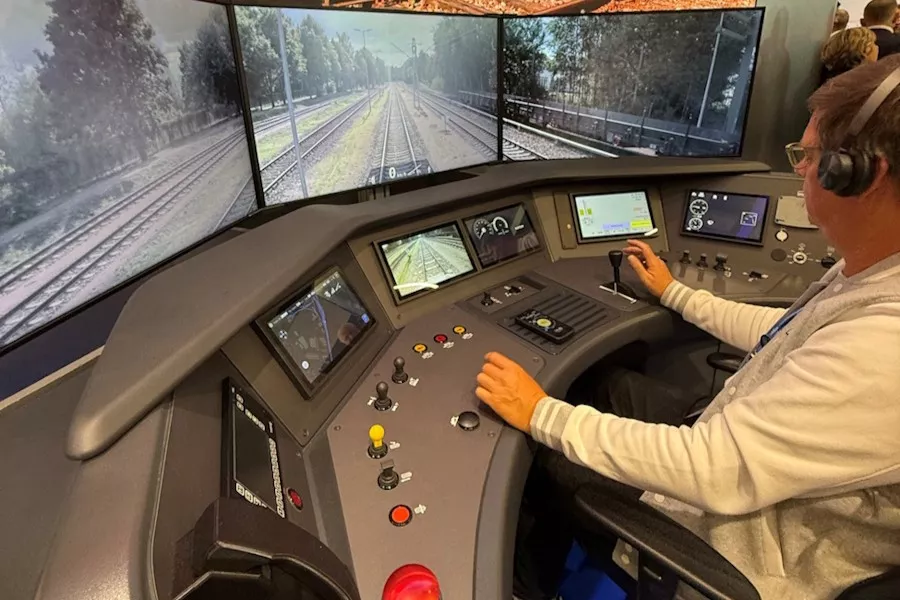
Digitalisation was particularly prominent, with new technologies and solutions being presented across almost every part of the railway system. From signalling and infrastructure management to digital systems and rolling stock, the pace of development is impressive.
During our visit, we met with a number of suppliers working in signalling, digitalisation and rolling stock. These discussions provided valuable insights into current developments, but also opportunities to explore how modern technologies, industrial expertise and new solutions might benefit the heritage railway and tramway sector.
While our historic vehicles and infrastructure have very different requirements from modern railway systems, we are not disconnected from these developments.
Many of our members face challenges involving ageing equipment, access to spare parts, technical competence, maintenance and the need to adapt to changing regulatory and operational requirements. Maintaining a dialogue with the industry is therefore essential, both to understand what is available and to identify opportunities for future cooperation.
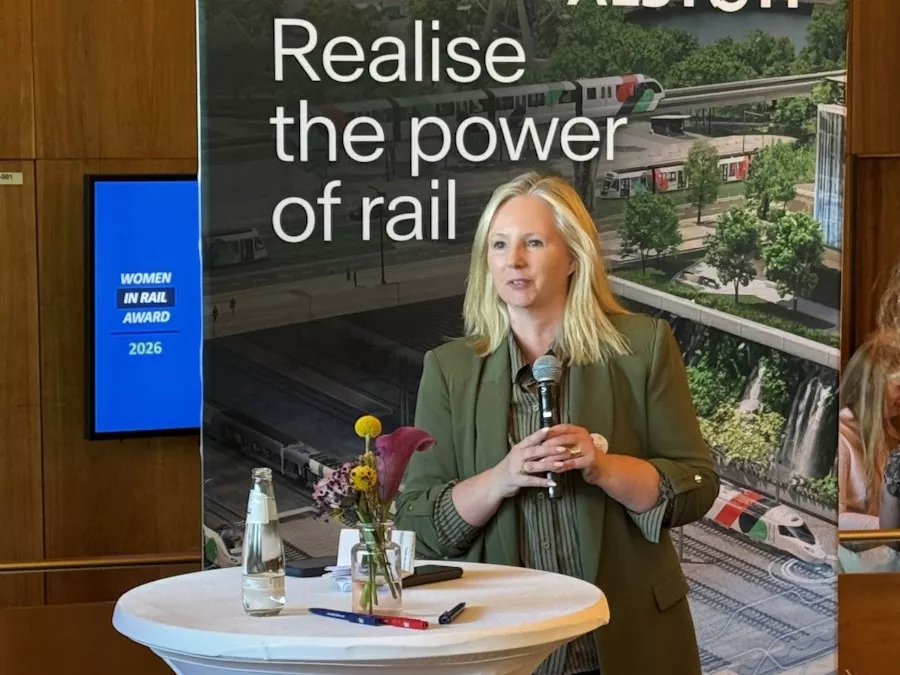
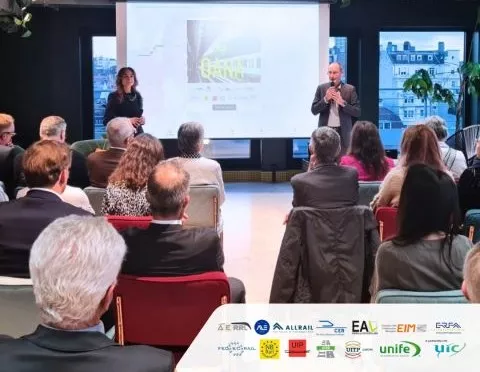
On Tuesday, we also attended the Women in Transport event, which brought together women from across the transport industry. The event included the presentation of the Women in Rail Awards and offered an opportunity to celebrate achievements, share experiences and discuss the importance of representation and opportunities for women in a sector that continues to evolve.
Throughout InnoTrans, we had many interesting conversations and opportunities to introduce FEDECRAIL, explain our work and highlight the needs and challenges facing our members.
These encounters are an important reminder that networking is not simply about exchanging business cards. It is about building relationships, creating understanding and making sure that the heritage sector has a place in discussions about the future of rail.
The modern railway industry and the heritage sector share more than might first appear.
Both depend on technical knowledge, skilled people, reliable infrastructure and a commitment to keeping railway systems operating safely. There is much we can learn from each other, and it is important that we continue to develop these connections.
InnoTrans also reminds us that innovation and heritage are not opposites. Understanding how railway technology has developed over generations gives us a valuable perspective on the innovations we see today. At the same time, engaging with the modern industry helps us find new ways to preserve and operate our historic railways and tramways for future generations.
With another InnoTrans now behind us, we have two years until the railway world gathers again in Berlin. Until then, the conversations and connections made during these busy days provide plenty of opportunities to continue our work.
The trains may be historic, but our conversations must always include the future.
By: Mimmi Mickelsen, FEDECRAIL President